
MoTrPAC (the Molecular Transducers of Physical Activity Consortium) is a large-scale, National Institute of Health (NIH)-funded research initiative designed to map the molecular changes that occur in response to exercise. The goal is to build […]
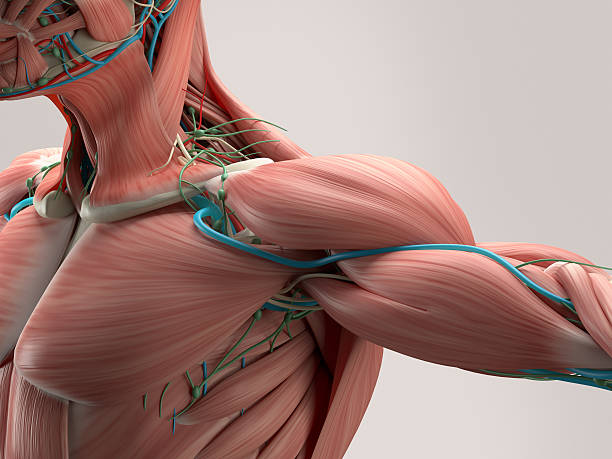
MoTrPAC (the Molecular Transducers of Physical Activity Consortium) is a large-scale, National Institute of Health (NIH)-funded research initiative designed to map the molecular changes that occur in response to exercise. The goal is to build […]
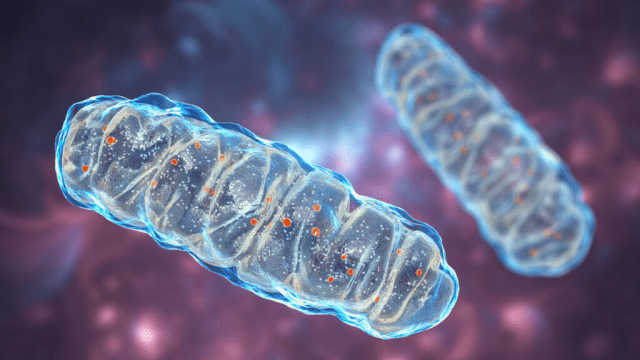
We are all familiar with how integral the mitochondria are in producing the energy needed for our body to meet the demands we place on it. However, for decades, scientists have debated how mitochondria adapt […]

Research Impact: This study investigated how different protein sources support muscle recovery after exercise by examining leucine retention, a key marker of muscle-building potential. Ten healthy, strength-trained men completed full-body workouts on three occasions, consuming […]

Not all proteins are created equally. The over and above the quantity of protein the delivery, composition, digestion and absorption kinetics can differentially affect the postprandial anabolism which has been previously discussed here. Indeed, at […]
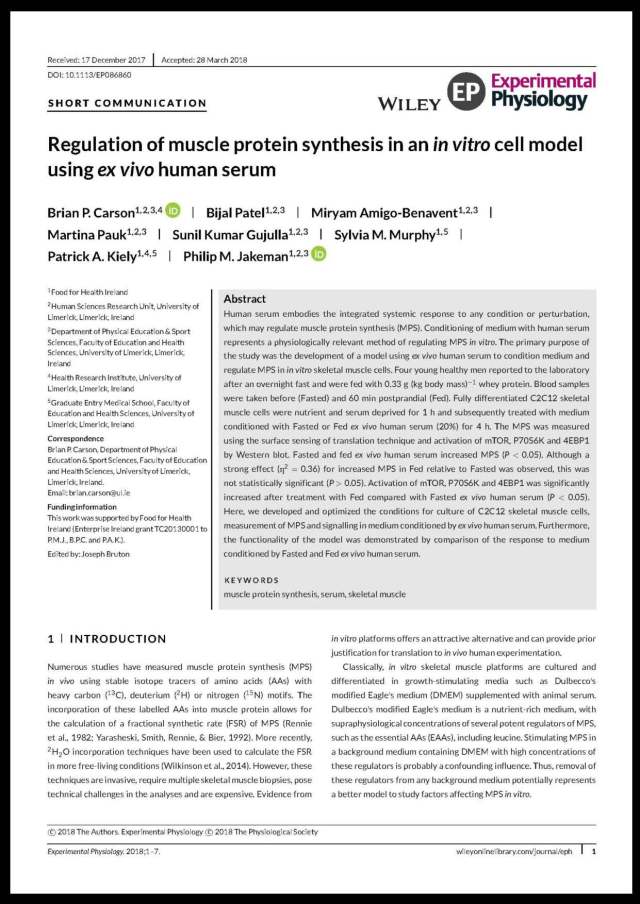
Impact Summary: This study demonstrates that medium conditioned by ex vivo human serum can regulate muscle protein synthesis in skeletal muscle cells in vitro via the mammalian Target of Rapomycin (mTOR) pathway, and this can be […]
 PESS News & Information