PESS staff member Dr Catherine Norton latest article in The Conversation Catherine discussed: that our bodies run on an internal clock, a rhythm guided mostly by daylight. In winter, when light fades sooner, eating later […]
MoTrPAC (the Molecular Transducers of Physical Activity Consortium) is a large-scale, National Institute of Health (NIH)-funded research initiative designed to map the molecular changes that occur in response to exercise. The goal is to build […]
This novel meta-analysis estimated the population effect of exercise training on anxiety symptoms among children and adolescents, and determined whether effects varied based on features of the exercise stimulus and participant characteristics. Across 39 effects […]
Based on the ORBIT module for behavioral intervention development, this is the first confirmatory IIc efficacy study protocol of using 16-weeks of guidelines-based moderate-to-high intensity resistance exercise training (RET) to treat Major Depressive Disorder (MDD) […]
When it comes to children’s health, most research tends to look at one type of movement—like how much time they spend sitting or how active they are. But life isn’t that simple. Children move in […]
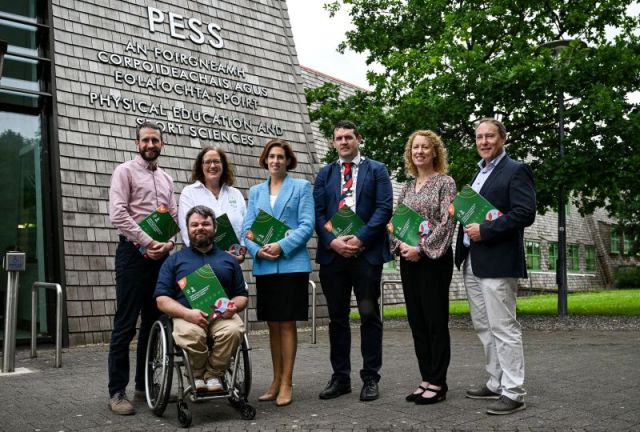
Congratulations to PESS postgraduate researcher Alan Dineen, Project Lead Sean Healy and all staff members who contributed to the research supporting the official launch of Gateways & Pathways: Athlete and Coach Experiences of Para Sport […]
PESS staff member Dr Catherine Norton recently wrote an article for The Conversation on how, with the right lifestyle habits, you can protect your strength, mobility and independence in aging Catherine discussed: Body weight and […]
This study explored how patterns of daily activity and rest—referred to as rest-activity rhythms (RARs)—are related to cardiorespiratory fitness and walking energetics in older adults. Given the known declines in physical capacity with aging, our […]
In March 2025, the University of Limerick’s Physical Activity for Health Research Centre hosted a unique webinar titled “Policy research in physical activity, physical education, and sport: Shared goals, diverse approaches.” This event was organised […]
PESS staff member Dr Catherine Norton was recently featured in an Irish Independent article about a potential role for creatine in perimenopause. Catherine discussed: Why Might Creatine Be Beneficial During Menopause? How Should Creatine Be […]