
The PESS Internship programme has been promoted as an opportunity for undergraduate students to spend 8-weeks gaining experience in one of the four PESS research areas, (1) Food for Health, (2) Physical Activity and Health, […]

The PESS Internship programme has been promoted as an opportunity for undergraduate students to spend 8-weeks gaining experience in one of the four PESS research areas, (1) Food for Health, (2) Physical Activity and Health, […]
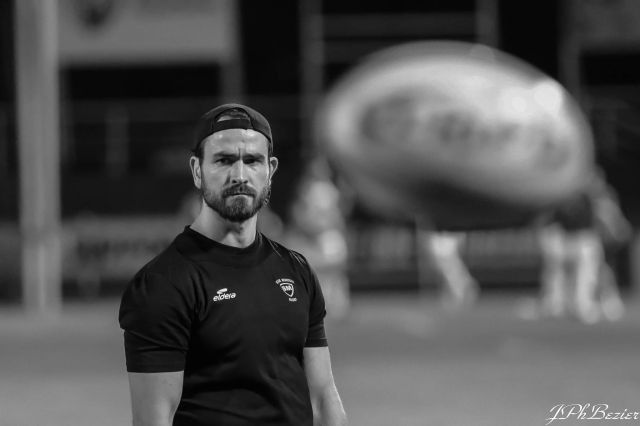
Kilian Bibby made the move earlier in 2023 from rugby strength and conditioning coach in France to join the Irish Rugby Injury Surveillance (IRIS) project team. I caught up with Kilian to ask him a […]

APPLICATIONS INVITED FOR Teaching Assistant in Physical Education and Sport and Exercise Sciences, University of Limerick. Teaching Assistant in Physical Education and Sport and Exercise Sciences – 10 Month Fixed Term Contract. Salary Scale: €34,273 […]

In recent years there has been a gradual shift from an emphasis on teaching to learning in higher education. Numerous studies have demonstrated that a student’s active involvement in the learning process enhances learning (Freeman […]

Participating in the Physical Education and Sport Science (PESS) Research Internship was an exciting and enriching experience. It provided me with the opportunity to work alongside a PESS faculty member, gaining valuable hands-on experience and […]
Participating in the Physical Education and Sport Science (PESS) Research Internship was an exciting and enriching experience. It provided me with the opportunity to work alongside a PESS faculty member, gaining valuable hands-on experience and […]
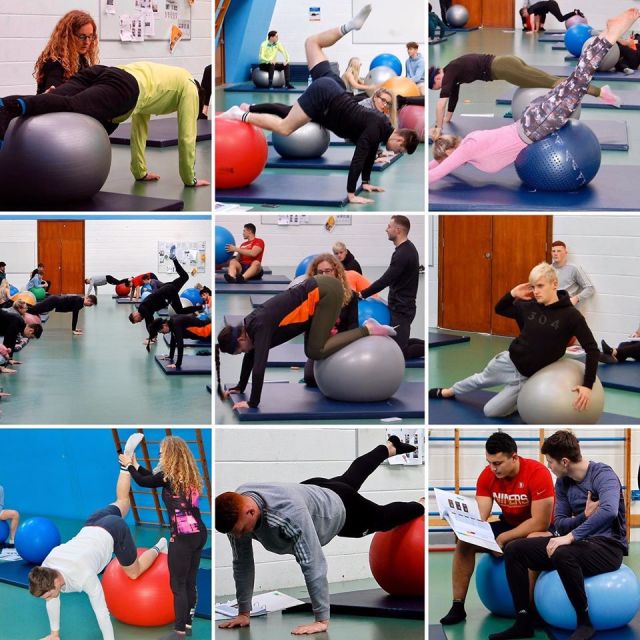
Greetings again out there in Blog land, I am back to update you on my research endeavours over the last few months, and what a time it has been. Finally, my thesis by publication, “The […]

The MSc in Sports Performance, offered by the Department of Physical Education and Sport Sciences at the University of Limerick, is a full-time one-year or part-time two-year postgraduate programme. Our programme, established in 2012, was […]
The MSc in Sports Performance, offered by the Department of Physical Education and Sport Sciences at the University of Limerick, is a full-time one-year or part-time two-year postgraduate programme. Our programme, established in 2012, was […]

Research Impact: Under the convention on the rights of persons with disabilities, data should be disaggregated by disability status. In other words, we are at liberty to report statistics with differences by disabilities, just in […]
 PESS News & Information