

Introduction
Embarking on my journey as a PESS research intern was both daunting and invigorating. It was an opportunity to step away from the classroom theoretics and into the real world of scientific inquiry. Over the course of eight weeks, I had the privilege of working alongside brilliant minds, contributing to meaningful projects and gaining invaluable insights into the world of research. This unique experience allowed me to explore the fascinating intersection of science and elite sports, uncovering some of the secrets behind peak performance. In this blog, I will share the highlights, challenges and lessons learned during my tenure as a research intern.
The Invigorating Beginnings
My Final Year Project, entitled ‘The Association between Drop Jump Neuromuscular Performance and Maximal Horizontal Acceleration, Deceleration and Change of Direction in Field Based Team-Sport Athletes’ examined movements integral for sporting success and their relationship with numerous drop jump performance and kinetic variables. The findings advocated the importance of eccentric and reactive strength qualities for superior acceleration, deceleration and change of direction performance. This project was my first real taste of the scientific method and progressed a hypothesis-driven idea to a design leading to execution in an endeavour to produce good science. In attempting to provide rationale for improving these movements the question arose: where exactly do these actions occur in game play? The PESS internship offered the perfect opportunity for an indirect follow-on study to unveil the situational patterns, scenarios and frequencies within which these movements occur. Under the diligent supervision of Dr. Lorcan Daly, having established a gap in the literature, the process of nailing down an exact research question and formulating a research proposal and work package began (Figure 1). We proposed that modern sport science is a world inundated with data and the relative importance, nuance and context of key actions underpinning performance (e.g. goal scoring) appear to be overlooked. Furthermore, to adequately resolve and quantify actions of high importance, such as successful offensive outcomes (i.e. goals), a more pragmatic and integrative method may be necessary. Therefore, the title ‘What Actions Precede Goals in the FIFA World Cup? A Comparison of Biological Sex and Competitions’- a retrospective analysis- emerged. Having successfully obtained the internship it was now time to get to work!
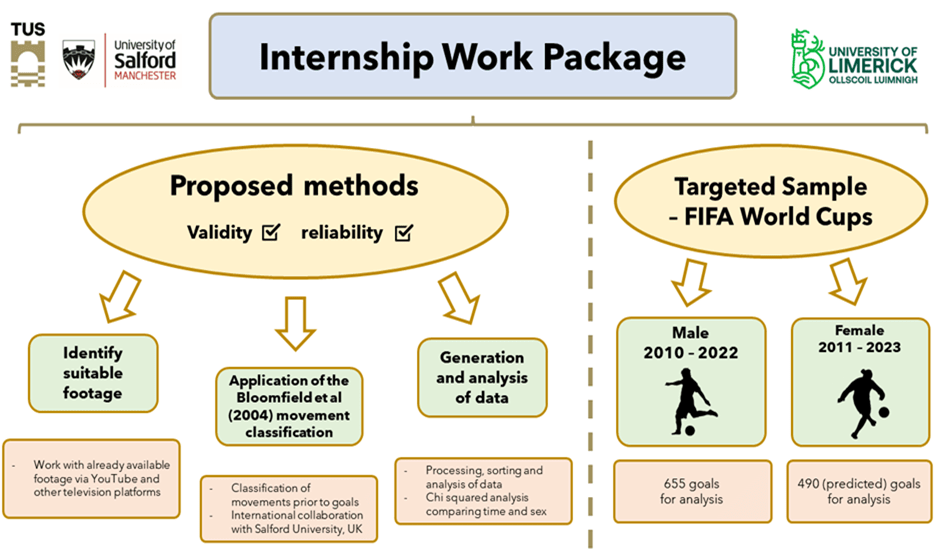
Figure 1. Schematic overview of study design.
Learning Through Doing
Working alongside experienced researchers and mentors was a highlight of my internship. Their guidance, expertise and genuine enthusiasm for mentoring interns like myself allowed me to feel like a central player in the team. Together, we embarked on a journey to explore and contribute to the realm of sport science. My initial task was to immerse myself in the vast world of soccer performance analysis literature, to equip me with a solid foundation for my research endeavours.
The tedious process of coding, analysing and extracting over 3,000 movements from 6 different FIFA World Cups became much more efficient as Dr. Lorcan Daly facilitated the collaboration with researcher David Martínez-Hernández, a Directorate of Sport, Exercise and Physiotherapy at the University of Salford. David has carried out pioneering work in analysing movements preceding goals in both male and female professional soccer and lent his expertise regarding approaches, techniques and strategies for structured methodical analysis and reliability testing. These tricks of the trade along with hopes that my research would have a direct practically applied impact on sports performance was incredibly gratifying and reinforced my passion for the field. Additionally, the wettest July on record made the hours spent indoors collecting and processing data via a customised excel format much less painful!
Challenges Encountered
No worthwhile journey is without its challenges and my PESS research internship experience was no exception. The research process can be unpredictable and setbacks are an inherent part of the game. There were days when methodological ideologies which theoretically seemed foolproof actually failed. Data was inconclusive and progress seemed elusive. However, I learned that resilience and adaptability are essential qualities for a researcher. The complex nature of human movement and the variability among athletes posed unique challenges. Collecting accurate and reliable data required meticulous attention to detail and flexibility when unexpected issues arose. It was here that my bi-weekly meetings with Lorcan, presenting and discussing ideas, aims and goals for the week ahead was instrumental in overcoming any obstacles. These challenges provided invaluable lessons in problem-solving, endurance, and emphasized for me the importance of clear communication with colleagues and the need for specific targets in one’s research.
Key Takeaways
My four years in the Physical Education and Sport Sciences Dept. at the University of Limerick as a BSc. Sport and Exercise Science student and my time spent as a PESS research intern have endowed me with invaluable takeaways:
1) The Importance of Curiosity: Research is driven by an insatiable curiosity to explore the unknown. Embracing curiosity and asking questions is fundamental to making meaningful discoveries.
2) Collaboration is Key: Working collaboratively with experienced researchers and peers enhances the quality of research and accentuates personal growth.
3) The Marriage of Science and Sport: Sport Science bridges the gap between rigorous scientific research and real-world athletic performance, enhancing the performance of athletes.
4) Adaptability and Resilience: Research can be unpredictable; adaptability and resilience are vital qualities that enable you to overcome obstacles and prosper.
Conclusion
My journey as a research intern was a transformative experience that deepened my passion for research and provided me with a wealth of knowledge and skills. While my internship has come to an end, my enthusiasm for sport science burns brighter than ever. I eagerly anticipate future opportunities to continue to explore this dynamic field, contributing to the betterment of athletes and unravelling more of the mysteries of human performance.
Patrick Caulfield is a recent BSc. Sport and Exercise Science graduate from the Department of Physical Education and Sport Sciences, UL.
Email: patrickcaulfield15@gmail.com
 PESS News & Information