
My internship revolved around evaluating the uses of continuous glucose monitors (CGM’s) for athletes.
|
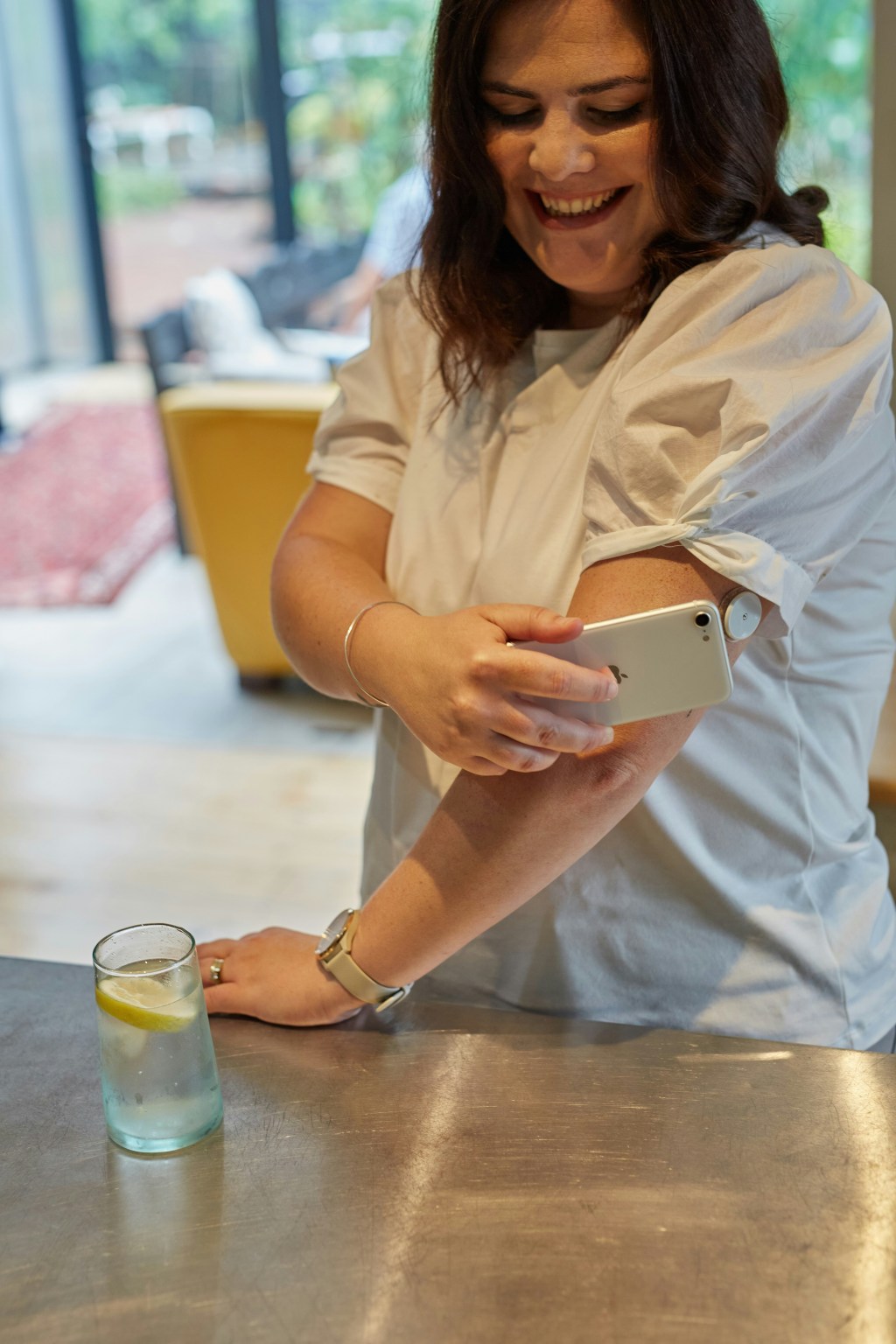
Currently, CGM’s are widely used in the diabetic population for monitoring glucose levels. They are small devices that are placed on the upper arm. The glucose biosensor that I used displayed glucose data at 15 minute intervals on a compatible smartphone app. We hypothesised that these devices would have many applications for athletes, from monitoring the effects of different exercise modalities on blood glucose levels to aiding in nutrition and recovery strategies. Athletes have unique energy requirements due to their high training loads. Many factors can affect glucose levels such as meal timing, food type, movement/exercise, stress etc. Having an understanding of how these factors affect exercise sessions can help athletes better prepare and recover from training. This is particularly useful for endurance athletes as they would need intra-workout feeds which may be optimised by monitoring glucose data with CGM’s. My main role involved the carrying out some self-exploratory work. CGM’s are available in Ireland for purchase over the counter without prescription. This makes them very accessible, however, the interpretation of the data requires careful consideration. I first completed background research on the device and the sort of data I would be seeing. I had a meeting about every week with one of my supervisors about the study. During one of these meetings, we devised a protocol for a pilot study. The sensors last a maximum of 14 days, so this was the length of the pilot study. During this period, I completed several oral glucose tolerance tests (OGTT’s) as well as bouts of exercise to determine my blood glucose response in different scenarios. I then looked at, compared and analysed my data at the end of this period. During these 2 weeks, I faced very few issues as the sensor was quite user friendly and the data interface was simple to view. After I had completed my data collection was when some issues arose. Firstly, I struggled with some of the aspects of data analysis, specifically certain calculations which I did not have previous experience with. Luckily, I had plenty of help from my supervisors! I also found through feedback from my supervisors that there were some flaws with the study design. Although I did not consider these at the time, once they were pointed out to me, they seemed almost obvious. I definitely felt that this feedback was enlightening and gave me things to consider for future studies so that I can develop a more rigorous methodology. I found the use of the sensor very interesting. I was very surprised by some of the responses I had to certain meals and workouts, even the difference in response for the exact same meals at different times. This is something that athletes need to think about if they are to optimise their meal timings to aid athletic performance. I gained a lot from completing this summer internship. I learned about what exactly is involved in setting up for a potential study, how to conduct a pilot study and methods of data analysis. I also gained an insight into the expectations of being involved in a research project, which is certainly useful for any future research opportunities I may apply for. Having experience in this before even graduating is something that could help set you apart from your peers. I also have found this project to be a nice lead-in to my final yeas in Sports and Exercise Science. I feel confident going into my FYP that I have a grasp of what is required of me and the standard that needs to be met to conduct a well-informed research project. My supervisors, who are very experienced in SES research, have really helped me along and challenged me. I found the work difficult at times, and often felt quite out of my depth, but there was always help available if needed. For my future, I am hoping to get involved in other research projects and hopefully someday conduct research of my own. My PESS internship has given me the confidence going forward that I am capable of doing so. I think more people should apply for a PESS internship. This sort of opportunity and experience may be much harder to come by after graduation, when many employers will expect some level of experience before taking on research interns. It also sets you up nicely for your FYP, which can be a source of much anxiety for many students. Overall, I felt the benefits of this internship are immense and should not be overlooked by any PESS student hoping to gain some research experience. |
Aisling McElligott is an intern in the Department of Physical Education & Sport Sciences UL.
 PESS News & Information