
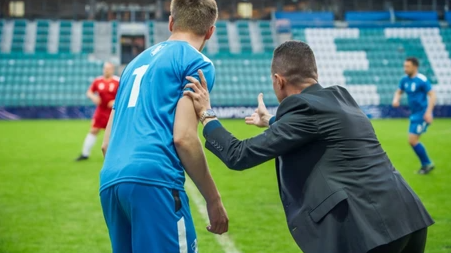
This study explores how performance support staff in elite sport environments perceive and approach decision-making. Despite recognizing decision-making as crucial to their roles, only 31% of staff had formal training in this area, with many citing skill gaps, lack of organizational strategy, and poor workflow systems as barriers. Team-based decisions were valued, but dysfunctional dynamics and cognitive biases often limited effectiveness. These findings highlight the need for professional sports organizations to move beyond experience alone, implementing evidence-based training and structured processes to enhance decision quality. Given that decision-making can directly influence outcomes at the highest levels of sport-often making the difference between success and failure-addressing these gaps is pivotal for staff effectiveness, athlete welfare, and team performance.
Key take-homes:
- Decision-making is a pivotal skill in sport, directly impacting team and athlete success
- Most staff lack formal decision-making training and face organizational and skill-based barriers
- Structured, evidence-based decision processes are needed to optimize outcomes
Wilson, P. J., Roe, G., & Kiely, J. (2025). How Do They Decide? Performance Support Staff Perceptions of Decision-Making in Elite-Sport Environments. The Journal of Strength & Conditioning Research, 39(2), 192-199. https://pubmed.ncbi.nlm.nih.gov/39714248/
John Kiely is an Associate Professor in the Department of Physical Education and Sports Sciences and the Sport and Human Performance Research Centre at the University of Limerick. Follow on X: @simplysportssci. Research Profile: ResearchGate
 PESS News & Information