

Last week, I was fortunate to have an article published on RTÉ Brainstorm that explored the misconception that minor success automatically translates into senior inter-county careers. In reality, the data tells a very different story – around 10% of minor footballers go on to represent their counties at senior level.
These percentages matter, and they need to be made visible, especially to parents of children who are just entering development squads. Families are often committing huge amounts of time, energy, and travel, sometimes driving hours each Saturday in support of their child’s ambition. It’s only fair that they understand the chances of making it to the senior grade. This isn’t about discouragement, but about transparency and creating balanced expectations.
While I did mention the physicality involved in playing intercounty senior football, the issues go deeper than physicality. Increasingly professionalised preparation environments, mirroring senior setups, can cause mental fatigue with young players. Some become “sick of football” before they even reach under-20 level, despite having already achieved significant success, such as winning an All-Ireland minor medal. It’s not the football they’re sick of – it’s the extras that come with it: the nutrition plans, strength and conditioning programmes, wellness questionnaires and the seemingly constant monitoring they’ve been exposed to since the age of 14.
One aspect that stood out in my research was the role of schools football. In many cases, strong GAA schools provide a better developmental environment than county development squads. For one thing, players benefit from far more coach contact time in school settings. They train and compete alongside classmates, often under teachers who know them well and understand their broader needs. Development squads, by contrast, can sometimes become overly formal or intense.
I also explored how there’s a structural contradiction at play: if minor coaches are being judged based on championship results rather than player progression, especially when under-20 roles are seen as a natural next step, it becomes increasingly difficult to reconcile development goals with the pressure to win.
It raises an important question for all of us involved in youth sport: when it comes to minor football, what do county boards and management teams define as success? Is it winning a provincial or All-Ireland title. or is it preparing players for a sustainable future in the game?
The response to the article has been very encouraging. It sparked conversations among coaches, players, and supporters, and opened up space for honest reflection on how we support youth development in Gaelic games.
One lesson I’ve taken from the experience is the power of a headline. The article’s title, “Why do 90% of minor footballers not make the senior grade?”, was written by the Brainstorm editorial team to catch attention, and rightly so. That said, my own preference was something closer to “The harsh truth behind minor glory”, which I felt better captured the tone and intent of the piece.
Overall, writing for Brainstorm has been a hugely positive experience. Although the topic falls slightly outside my specific PhD research area, it’s something I’m passionate about and, clearly, something the wider public care about too. That’s one of the real strengths of the Brainstorm platform: it gives researchers a chance to bring their insights beyond the academic world here in PESS and into the volunteer coaches and families who are the backbone of Irish sport.
You can see more contributions from UL academics to RTÉ Brainstorm here.
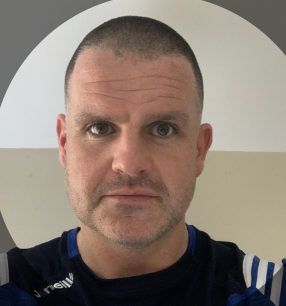
Karol Dillon is a postgraduate researcher under the supervision of Dr. Phil Kearney and Dr. Ian Sherwin in the Department of Physical Education and Sport Sciences, University of Limerick.
Contact: karol.dillon@ul.ie Follow on X: @karolDillon8
 PESS News & Information