
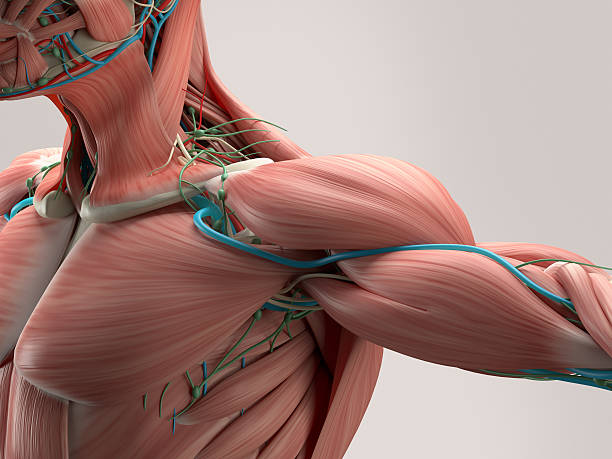
MoTrPAC (the Molecular Transducers of Physical Activity Consortium) is a large-scale, National Institute of Health (NIH)-funded research initiative designed to map the molecular changes that occur in response to exercise. The goal is to build the most comprehensive “molecular atlas” of physical activity ever created, spanning multiple tissues, ages, sexes, and exercise modalities. One arm of this consortium is MoTrMyo, a partnership aimed to investigate the ability of resistance or aerobic exercise training to “imprint” human skeletal muscle stem cells (HSkMC) in a manner which confers long-term changes in this tissue which in-turn contribute to improved metabolic health and functional capacity through epigenetic regulation of novel exercise response genes. Furthermore, this study also provides primary human skeletal muscle cells to the Molecular Transducers of Physical Activity Consortium (MoTrPAC). This is the first publication from the MoTrMyo partnership to date.
While the benefits of exercise for metabolic health are well established, far less is known about the long-term “imprinting” of exercise on human skeletal muscle cells. Skeletal muscle stem cells (HSkMCs) provide a unique model to study these effects in vitro, independent of circulating hormones and systemic influences. Understanding whether habitual exercise leaves a lasting molecular imprint on muscle cells could reveal new mechanisms of insulin sensitivity and metabolic regulation.
In the present study, HSkMCs were isolated from habitual endurance exercisers, resistance exercisers, and sedentary controls (N = 8–9/group). After expansion and differentiation, insulin action was assessed by measuring insulin-stimulated glycogen synthesis and glucose oxidation using ^14C-glucose, as well as insulin signalling via phosphorylation of Akt (Ser473) and AS160 (Thr640).
Surprisingly, no differences were observed between endurance and resistance exercisers in either basal or insulin-stimulated metabolism, nor in Akt or AS160 phosphorylation. Furthermore, when cells were challenged with fatty acids to induce insulin resistance, all groups displayed impaired glycogen synthesis, with no protection conferred by prior training history.
However, when muscle cells from endurance and resistance exercisers were pooled and compared to sedentary controls, a clear exercise imprint emerged: trained individuals exhibited greater insulin-stimulated glycogen synthesis. Importantly, this occurred without detectable changes in canonical insulin signalling, suggesting that the imprint of habitual exercise on muscle insulin action may operate through downstream or alternative pathways. These findings indicate that both endurance and resistance training leave a beneficial molecular memory in human skeletal muscle stem cells, improving intrinsic insulin action. Yet, this imprint is insufficient to guard against fatty-acid-induced insulin resistance. The study highlights a critical gap in our understanding of how exercise imprints muscle biology and underscores the need to uncover the molecular transducers that mediate these lasting adaptations.
Krassovskaia, P., Jevtovic, F., Zheng, D., Noone, J., Yeo, R.X., Pino, M., Stowe, C., Emilson, S., Musi, N., Huffman, K.M., Hebert, R., Bowen, S., Zarini, S., Ravussin, E., Broskey, N., Kraus, W., Bergman, B., Sparks, L., Houmard, J. Effects of habitual endurance and resistance exercise on insulin action in primary human skeletal muscle stem cells. Physiological Reports. 2025. doi:10.14814/phy2.70600.
John Noone, PhD is an Assistant Professor in Sport & Exercise Physiology, Department of Physical Education and Sport Sciences, University of Limerick
Email: john.noone@ul.ie UL Pure: John Noone – University of Limerick X: @JohnNoone4
ResearchGate: https://www.researchgate.net/profile/John-Noone?ev=hdr_xprf
ORCID: https://orcid.org/0000-0002-5733-4816 LinkedIn: https://www.linkedin.com/feed/
 PESS News & Information