
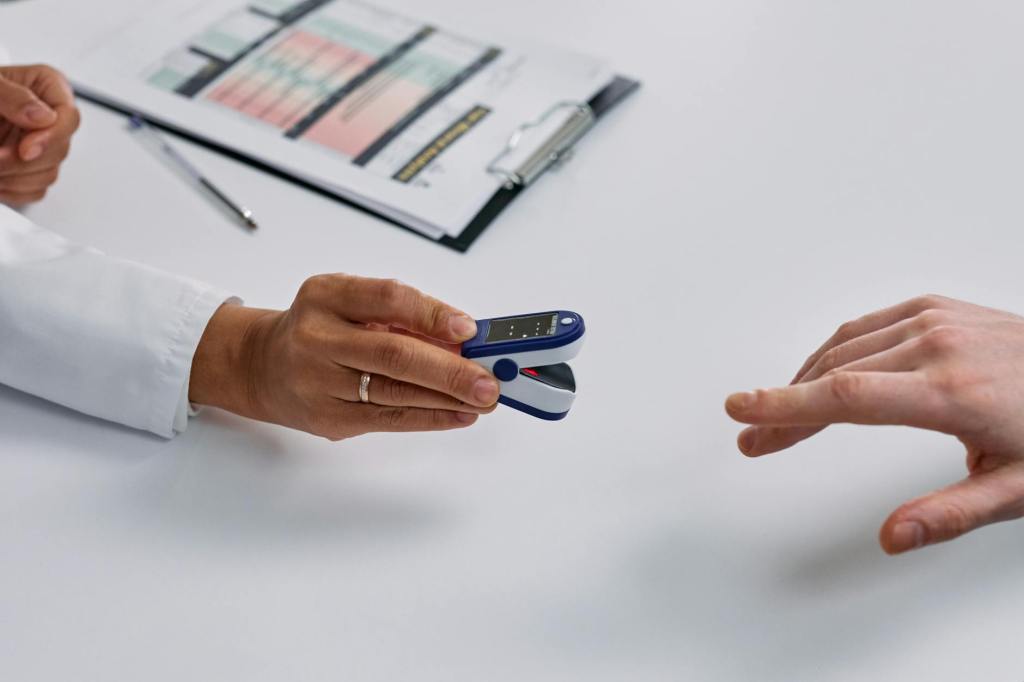
A finger pulse monitor (FPM) offers multiple advantages for monitoring heart rate during exercise in comparison to chest worn monitors, including: enhanced testing efficiency; less invasive, particularly for vulnerable populations (e.g. children); and, reduced cost. The purpose of this study was to establish the test-retest reliability of an FPM device for monitoring heart rate during a 3-minute step test (3MST30) to estimate cardiorespiratory fitness in a lab and school setting, and to compare indices of reliability with a chest worn heart rate monitor.
O’Keeffe, B.T., Britton, Ú. & Ng, K. Finger pulse monitoring is a reliable and valid tool for measuring heart rate during exercise among adolescents in lab and school settings. BMC Sports Sci Med Rehabil 18, 42 (2026). https://doi.org/10.1186/s13102-025-01467-x
Dr Brendan O’Keeffe is an Associate Professor in Physical Education in the Department of Physical Education and Sport Sciences, UL.
Contact: Brendan.okeeffe@ul.ie Follow on twitter: @BrendanOK_
 PESS News & Information