
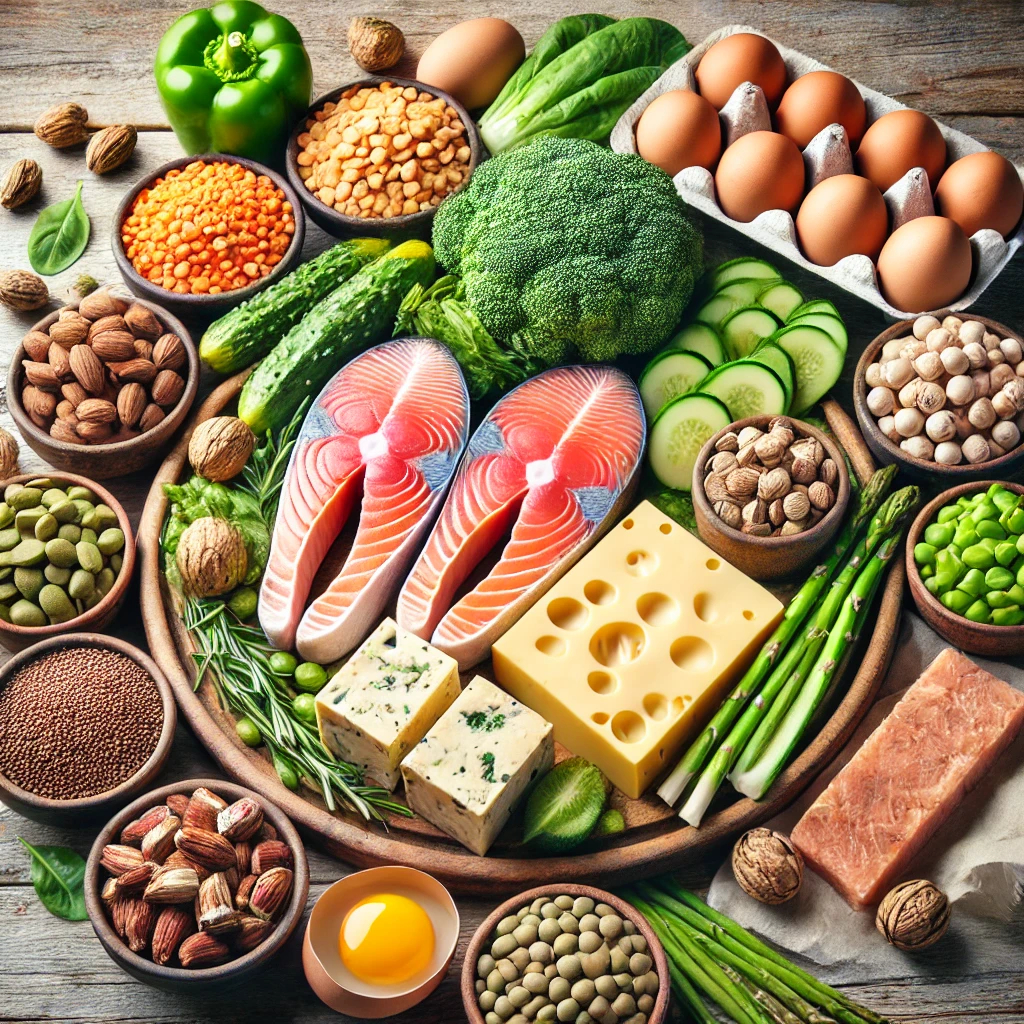
Impact Summary: This review by Prof Brian Carson and colleagues addresses the dual challenges of ensuring adequate dietary protein intake for an aging population while promoting environmental sustainability. Protein is crucial for maintaining skeletal muscle health, particularly in older adults, who are prone to loss of muscle and function with ageing (sarcopenia). The review highlights the superior muscle-building potential of animal-derived proteins due to their higher essential amino acid (EAA) content, digestibility, and bioavailability. However, these sources are significant contributors to greenhouse gas emissions and other environmental concerns.
Plant-based proteins, while more sustainable, often lack sufficient EAAs or are less digestible. The study explores strategies to improve the effectiveness of plant proteins, such as combining complementary sources, fortifying with EAAs, or increasing intake. Novel protein sources like algae, insects, and lab-grown meat are also discussed for their potential to balance sustainability with nutritional needs.
The review emphasises the complexity of evaluating the environmental impact of dietary proteins, noting that both animal and plant sources contribute to carbon footprints through various stages of production, transportation, and waste. It calls for holistic approaches to sustainable food systems that consider local contexts, nutritional needs, and environmental trade-offs.
Ultimately, the authors advocate for dietary diversity, combining plant and animal protein sources to meet global nutritional requirements while minimising environmental impact. This balanced approach is particularly critical for older adults and future food security.
Morgan, P. T., Carson, B. P., & Witard, O. C. (2024). Dietary protein considerations in a sustainable and ageing world: a narrative review with a focus on greenhouse gas emissions and skeletal muscle remodelling and maintenance. BMC musculoskeletal disorders, 25(1), 1030. https://doi.org/10.1186/s12891-024-07945-6
 PESS News & Information