
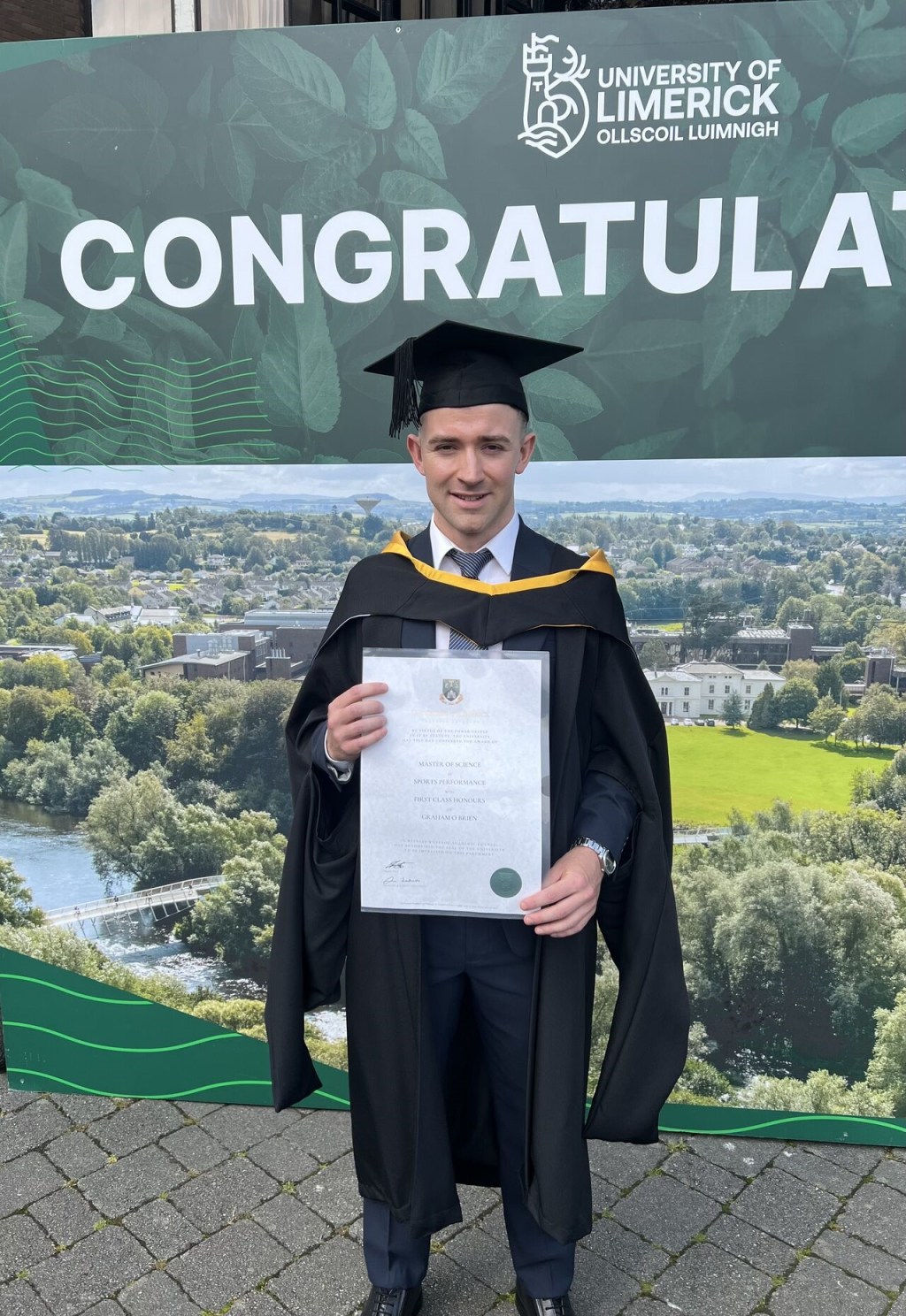
My pathway into high-performance sport began as an athlete in cycling, competing nationally with a few years also spent in Europe before progressing to coaching within high performance cycling for several years and building experience within the field of strength and conditioning.
|
Over time, my interest in the sports science and coaching side of high-performance sport developed, where I became increasingly focused on the preparation and performance environments that shape elite athletes. As I completed my undergraduate degree, it became clear that I wanted to develop my knowledge further, not just practically, but also academically, to develop as a coach with a strong evidence-based foundation. The MSc Sports Performance full-time programme at the University of Limerick stood out to me as the ideal route to achieve this. What attracted me most was the programme’s balance between scientific content and applied practice, designed to prepare graduates for high-performance sporting environments. The curriculum covers key topics central to athlete preparation, including strength and conditioning, performance analysis, athlete monitoring, nutrition, and applied physiology and biomechanics. These are delivered by an expert faculty whose insights are informed not only by research but also by years of experience within elite sport. The MSc. programme is an intensive course designed to prepare students for the demands of high-performance sport. The workload can be high during the year with periods of assignments and practical assessments, therefore ensuring effective time management is key. Each of the three semesters bring different challenges and they help you develop both personal and practical skills that are relevant to the field of high-performance sport. The professional placement element was invaluable, providing me with the opportunity to work closely with the Munster Rugby first-team while applying these skills within a high-performance environment and experiencing first-hand the demands of working within professional rugby. This not only deepened my practical understanding but also helped me build relationships within elite sport which is an essential stepping stone for anyone pursuing a career in this field. The summer semester provided an intensive and rewarding learning experience with three professional competency modules that advanced knowledge gained from semester one. These modules involved, working with an athlete in the ACL prehabilitation stage, endurance physiology and testing which involved performing several laboratory tests such as lactate and VO2 Max testing. The final module involved managing nutrition for a team on a warm weather training camp. The research dissertation was a key component of the MSc programme over a 6-month period and a valuable opportunity to apply the research skills developed throughout the course, such as critical analysis, study design, and data interpretation. My research project involved ‘The Clinical Assessment of Rotator Cuff Strength and Plyometric Ability of the Shoulder in a Professional Rugby Union Team’. My supervisor, Professor Ian Kenny, was very supportive throughout the entire research project. Offering valuable insights during each stage of the process, his feedback challenged me to think critically and approach problems with a deeper level of analysis, which greatly enhanced the quality of my dissertation and my overall learning experience. One of the most rewarding aspects of the MSc Sports Performance programme was the diversity within the class. My peers came from a wide range of sporting, academic, and professional backgrounds as well as from various countries, which enabled different perspectives and discussions throughout the year. Learning alongside people with such varied experiences not only broadened my understanding of the sports performance field but also highlighted the value of interdisciplinary collaboration in high-performance settings. The MSc Sports Performance programme at the University of Limerick is an intensive and practical course designed to develop future leaders in high-performance sport. Through expert teaching, applied research, and professional placements, the programme equips students with the knowledge and skills to confidently influence and lead within elite sporting environments. Graduates leave prepared to take on key roles in coaching, sport science, and performance support at the highest levels of sport. Upon completing the MSc Sports Performance programme, I began my role as a Technical Officer at PESS, where I continue to apply the skills and knowledge gained throughout the course. |
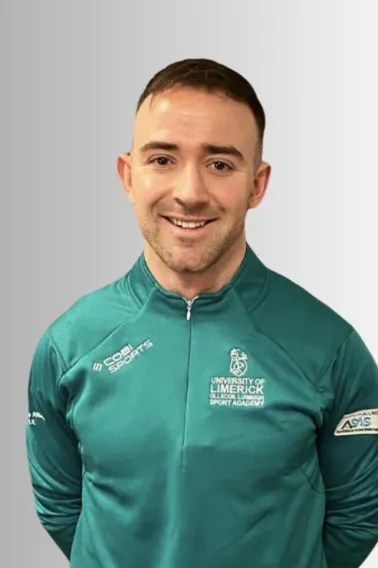
Graham O’Brien is a Senior Technical Officer at the Department of Physical Education & Sport Sciences in UL.
Email: graham.obrien@ul.ie
Linked-In: Graham O’ Brien | LinkedIn
Discover more from PESS News & Information
Subscribe to get the latest posts sent to your email.
