
- What was your role during the internship? (Key responsibilities and tasks…)
Under the supervision of Prof Brian Carson, my role involved investigating the relevant genes and proteins involved in the NAD+ synthesis pathways, which was the focus of our study. Once identified through literature review, these genes and proteins were extracted from the chosen datahub (MoTrPAC data hub). I then performed statistical analysis on the available dataset using SPSS statistics and used Graphpad Prism to visualise my results. My final task was to synthesise my findings into a journal quality research paper, with the aim of potential submission to the American Journal of Physiology.
- How did the internship help you grow professionally and personally? (Lessons learnt…)
Professionally, the internship helped me build on the existing research skills I developed during my undergraduate degree in Sports and Exercise Sciences. The experience exposed me to the standards and expectations of writing a journal quality research paper, which is something I had not experienced previously. Furthermore, it gave me real world experience in a research environment which involved collaborating with supervisors and experts in the field which will stand to me as I pursue future research opportunities.
On a personal level, the experience helped my independence and communication skills. As much of my work completed remotely, I needed to effectively plan my tasks for the day and communicate proactively with Brian when necessary to ensure my weekly tasks were completed.
- Did you face any challenges during your internship? (If so, how did you overcome them?
The project did come with some challenges, most notably some gaps in the available dataset where some proteome and transcript datasets were incomplete or missing. This issue was beyond our control however, we made sure to account for it when interpreting our results. We also faced some scheduling issues where weekly meetings occasionally clashed with other commitments. It was important to be flexible in these incidences to find alternate times that suited everyone involved.
- How did your supervisor/the departments work environment contribute to your experience?
Both my supervisor and other PESS staff members facilitated my internship and offered great support throughout. We had weekly meetings to discuss what had been completed and our future tasks, during which Brian connected me with other staff members who had knowledge in the area. Having access to the facilities of the PESS department including my own desk space and the staff break room made me feel like a genuine part of the department.
- Did you have opportunities to network with other professionals in the industry?
I had the pleasure of collaborating with other professionals on this project, including Dr. John Noone and Dr. Katie Whytock. Both John and Katie are highly experienced in the field of exercise physiology and muscle adaptation to exercise. They both offered invaluable insights throughout the project and also helped me extract the data using their experience with the same data hub. Working with them highlighted how much can be learned through shared experience and the value of collaboration.
- How has this internship influenced your career goals or future plans?
Completing the internship has given me more confidence in my research skills and provided me with valuable real world experience which will help me if I decide to apply for PhD opportunities in the future. I believe the experience I gained may help set me apart from other applicants in the future.
- What advice would you give to future interns applying for this program?
I’d highly recommend this internship to anyone who is curious about a particular research area, enjoyed research in their undergraduate degree, or wants to build a stronger CV. I am currently studying on the MSc physiotherapy programme in UL, and I’m sure having this internship experience helped to strengthen my application. Going forward, potentially having a publication from this internship will be a great addition to my professional journey.
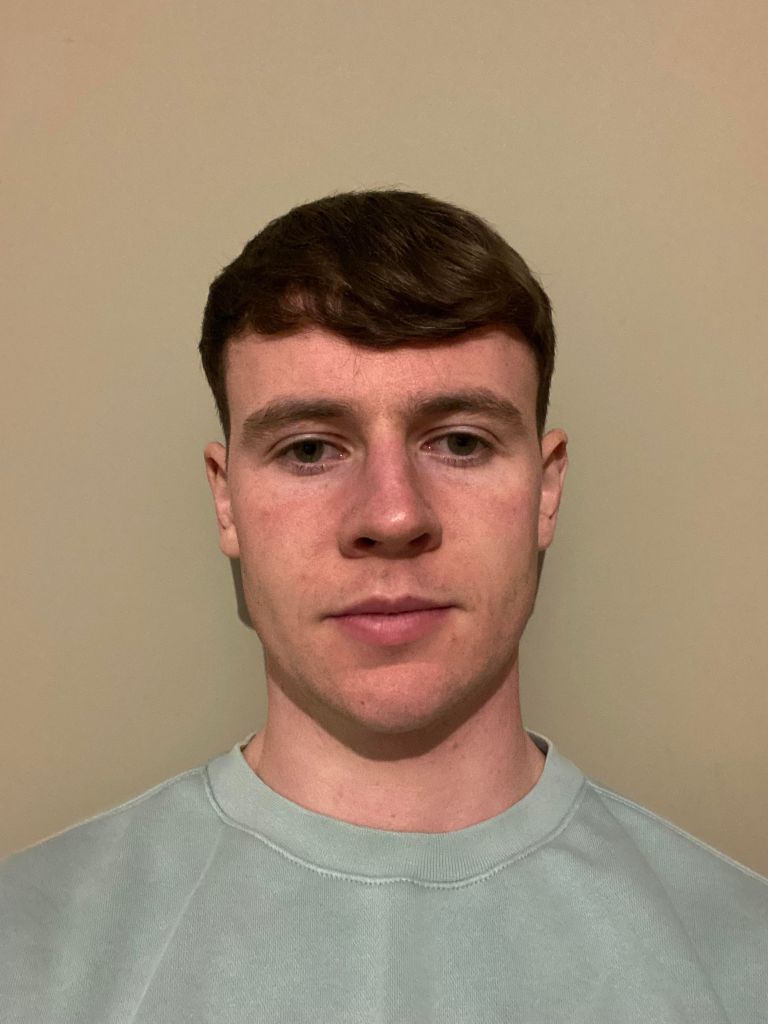
Adam Duggan is a BSc Sport & Exercise Sciences graduate, and a student of the MSc Physiotherapy at the University of Limerick.
 PESS News & Information