
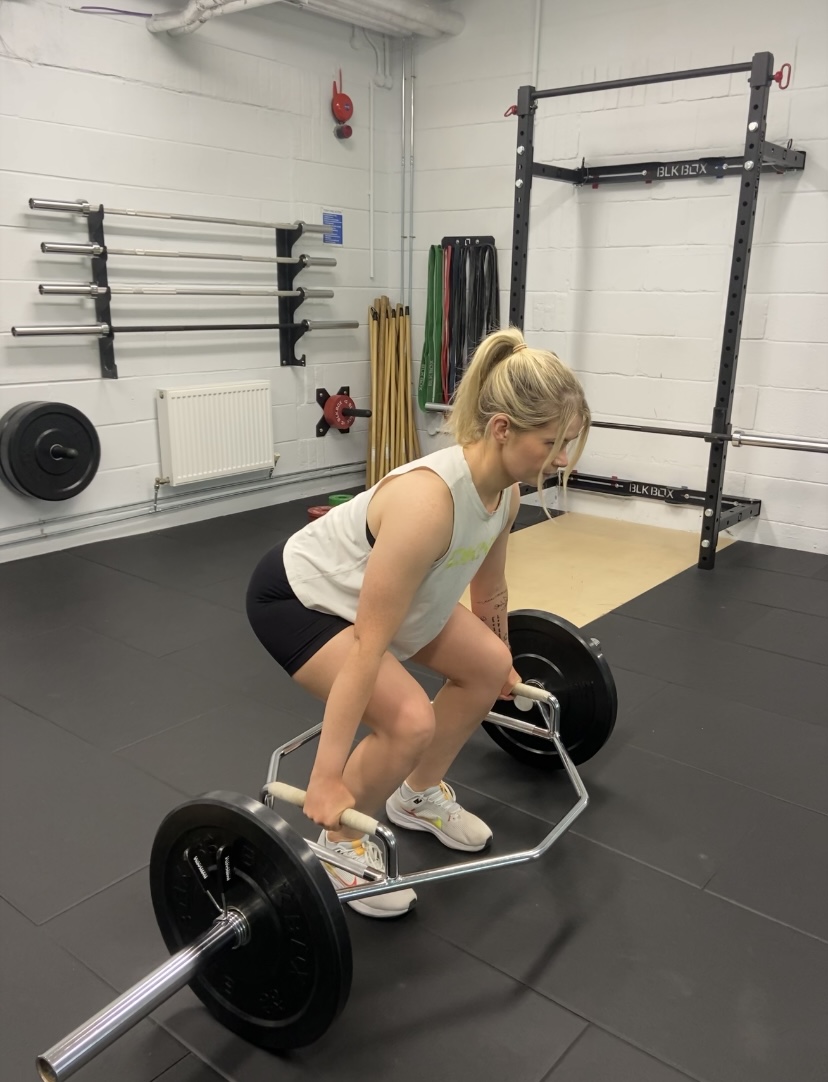
Building on our prior work examining the psychological effects of acute resistance exercise (RE), our new study extends this investigation to chronic resistance exercise training (RET) and its relationship with expectations. In this follow-up analysis, we found that despite clear psychological improvements following a structured RET program, participants’ baseline expectations were not associated with changes in anxiety or mood.
Together with our earlier findings that expectations did not predict acute responses to a single session of RE, these results suggest that the mental health benefits of resistance exercise occur independently of placebo-like expectations, both in the short and longer term. This reinforces that observed psychological benefits reflect genuine physiological and psychological adaptations to resistance training rather than placebo effects.
The findings advance understanding in three key ways. First, they elucidate true exercise-induced effects from expectancy-driven responses, a persistent challenge in behavioural and exercise psychology research. Second, they suggest that expectations may play a limited role in shaping psychological outcomes of RET, even when measurable mood and anxiety improvements occur. Finally, they highlight a need for future research to design and implement mode-specific expectation questionnaires to better capture nuanced beliefs about different forms of exercise.
Collectively, this growing body of research strengthens the evidence base for resistance exercise as a credible, stand-alone, or adjunct intervention for improving mental health outcomes, emphasizing that its benefits are driven by the resistance exercise stimulus itself rather than participants’ expectations.
Rice, J.M., Gordon, B.R., Lindheimer, J.B., Lyons, M. & Herring, M.P. Associations Between Expectations and Responses to Chronic Resistance Exercise in Young Adults With and Without Analogue Generalized Anxiety Disorder. https://doi.org/10.1038/s41598-025-27663-w
Jennifer Rice is a PhD student in the Department of Physical Education and Sport Sciences at the University of Limerick. Contact: Jennifer.rice@ul.ie. Follow on twitter: @JenniferMayRice
ORCID : 0000-0002-5610-115 LinkedIn: Jen Rice ResearchGate: Jennifer May Rice Follow on X
 PESS News & Information