
Sean Slattery, MSc Sports Performance
My name is Sean Slattery, and I recently graduated from the MSc Sports Performance programme at the University of Limerick, achieving First Class Honours.
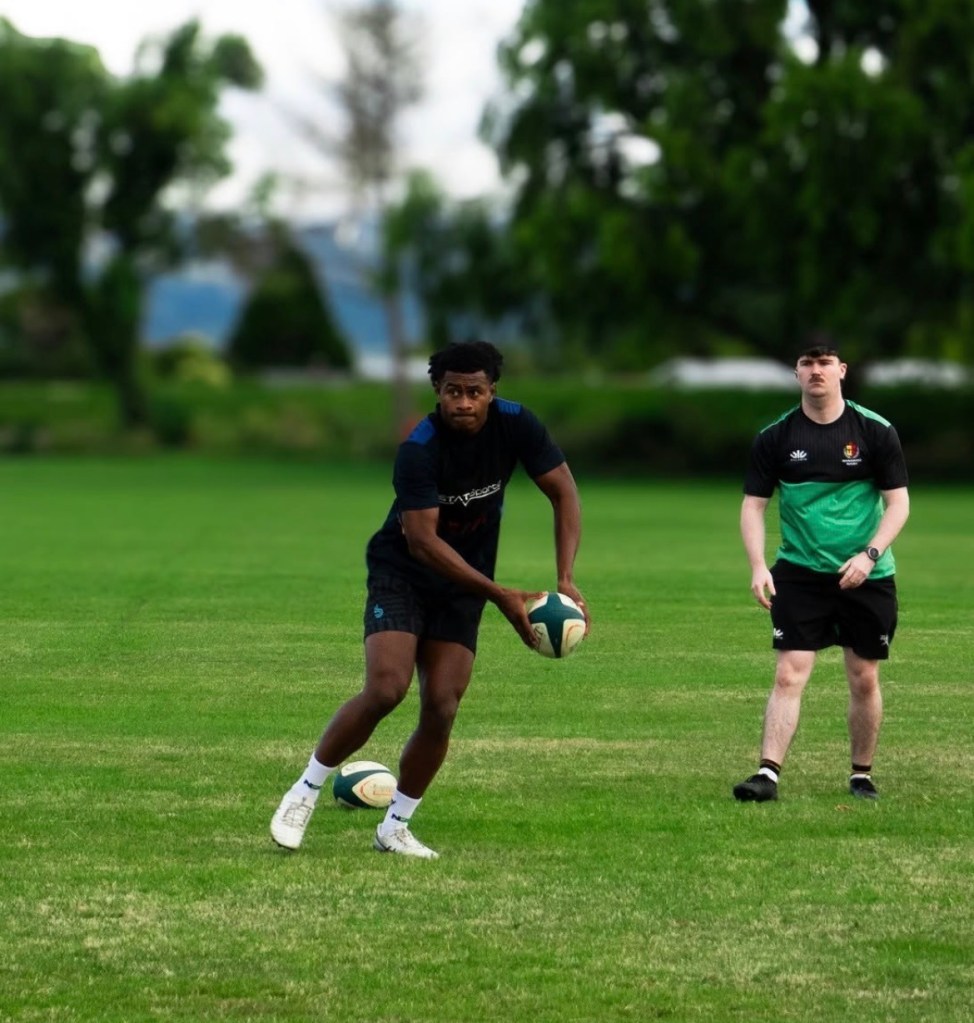
Since finishing the master’s, I made the decision to venture abroad and hone my skills. I am currently based in New Zealand, where I am interning as a Strength & Conditioning Coach with the Manawatū Turbos and working as Lead Strength & Conditioning Coach with the Senior A Team at College Old Boys. In the coming months, I will also be assisting the Manawatū Māori Team as they prepare for their upcoming regional games.
Looking back, the MSc Sports Performance programme played a major role in helping me get to this point in my career.
Choosing the MSc Sports Performance Programme
I have always been attracted to UL. Growing up as a competitive swimmer and surf lifesaver, I think I spent more weekends in the Arena than I did at any other pool.
What attracted me most to the MSc Sports Performance programme was the mix of different disciplines it covered. The combination of strength and conditioning, nutrition, performance analysis, physiology and psychology appealed to me because it reflected the multidisciplinary nature of high-performance sport.
At the time, I also wasn’t entirely sure what route I wanted to go down, and I didn’t want to limit myself. I felt the programme would help me develop a broader skillset and give me a better understanding of athlete performance as a whole.
Learning Through Practical Experience
One of the aspects I enjoyed most was the practical side of the programme, particularly the lab-based sessions and the summer Problem Based Learning (PBL) modules.
The lab sessions gave me hands-on experience with testing equipment and test batteries that are commonly used in high-performance sport, while the PBL modules challenged me to apply our knowledge to real-world scenarios and work through problems as practitioners.
I think the gap between possessing knowledge and being able to apply it in a sporting context is incredibly vast. Even today during my internship, I’m still finding that. The PBL modules were vital in challenging the learning from both my undergraduate degree and the master’s programme.
Working with Munster Rugby
My research dissertation was one of the most impactful experiences of the programme.
The project investigated the use of Continuous Glucose Monitoring (CGM) to influence behaviour change in injured professional rugby players in collaboration with Munster Rugby. It provided an opportunity to work closely with elite athletes and support staff while developing my research and critical thinking skills.
It also gave me the chance to work with two incredible supervisors, Dr Catherine Norton and Dr John Noone. To have Catherine and John’s expertise and experience behind my project gave me the confidence I needed to undertake it.
As well as collaborating with them during the project, I also had the pleasure of being taught by Catherine during the speed, strength and endurance sport modules and by John during the endurance sport module.
I was blown away by not only their applied work but their academic endeavours too, which made it an easy choice when it came to selecting both my thesis topic and supervisors.
Building Confidence as a Practitioner
The programme significantly improved my ability to critically evaluate research, something that Dr Mark Lyons instilled in me from day one of the course.
Being able to apply evidence-based practices within sporting environments, regardless of the nature of the sport, was another big stride forward for me. I put that down to how the taught modules are structured, covering team, speed, endurance and strength sports.
The programme also enhanced my confidence when working with athletes, coaches and multidisciplinary teams by providing opportunities to solve real-world performance challenges and communicate findings effectively.
One of the biggest developments I have seen in myself is how much more confident I am now.
I used to not back myself, often second-guessing myself when an athlete would question me despite having the knowledge. The programme really brought me out of my shell, and I have it to thank for me taking the risk and moving across the world to chase my dream.
Memorable Experiences
My favourite memory from the programme was visiting the Munster High Performance Centre and meeting with the players and staff who were taking part in my project.
Getting the opportunity to sit down and chat to professional rugby players, discuss our project, our goals, and address their thoughts and queries made it feel like the master’s programme was genuinely heading me in the direction I wanted to go — working in high-performance sport.
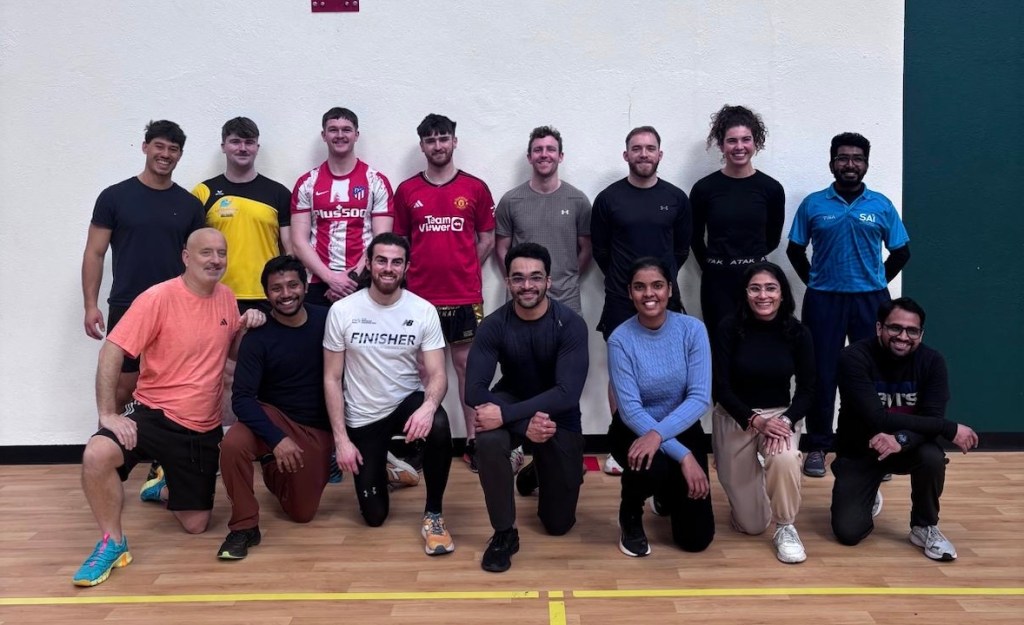
I also have to give a shoutout to the friends I made during the programme, who I still regularly keep in touch with despite the time difference. Whether it’s Julian in Brazil or David, Mark and Sean back home, those friendships remain an important part of my MSc experience.
Applying What I Learned in New Zealand
The concepts I learned throughout the programme are something I apply regularly in my current roles.
For example, I use athlete monitoring, GPS analysis, testing protocols and strength and conditioning principles when supporting athletes with the Manawatū Turbos.
One of the best examples is Velocity Based Training (VBT), which we spent multiple practical sessions covering with Dr Mark Lyons and is something we use regularly over here.
At the end of this month, I am also due to complete my ISAK Level 1 accreditation. Given how often we used skinfold assessments throughout the programme, it felt like a no-brainer to pursue the qualification, and I’m looking forward to adding it to my arsenal.
Opportunities Created by the MSc
The MSc helped me secure valuable opportunities within professional rugby, including my current internship role in New Zealand, where I am set to lead the programme during the U20 campaign while assisting with the Turbos.
I am now working with athletes who have represented their countries at senior, U20 and schoolboy levels, as well as countless Super Rugby players, many of whom play for the Hurricanes.
The programme strengthened my understanding of athlete development, performance monitoring and programme design, while also helping me build a professional network within the industry.
Looking Back
My experience on the MSc Sports Performance programme was extremely positive.
It was an extremely full-on year, but that made it even more enjoyable. I felt that I was actively learning and progressing every day, and I think it played a major role in my development as both a practitioner and a professional.
For anyone considering applying, I would strongly recommend the programme. Whether your interests are in strength and conditioning, sports science or nutrition, it helped me become a more well-rounded practitioner.
For me, the MSc Sports Performance was the logical next step in my development. It helped me grow my knowledge and feel better prepared for working in professional sport.
Discover more from PESS News & Information
Subscribe to get the latest posts sent to your email.
