
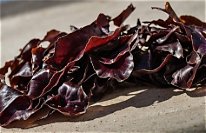
New research explores how protein extracted from dulse, a nutrient-rich red seaweed, could help regulate blood glucose after a meal.
Seaweed might not be the first food that comes to mind when thinking about sports nutrition, metabolic health or the future of sustainable protein. However, new research from our laboratory suggests that a protein concentrate derived from Palmaria palmata (commonly known as dulse) could have an interesting role in how the body responds to carbohydrate intake.
Published in A novel macroalgae protein concentrate attenuates postprandial glycaemia in healthy adults, the study investigated whether this marine-derived protein could reduce the rise in blood glucose following consumption of a carbohydrate drink.
Why does blood glucose matter?
When we consume carbohydrate-rich foods and drinks, our digestive system breaks them down into sugars, including glucose, which enters the bloodstream. The body responds by releasing hormones, including insulin, to help regulate blood glucose and facilitate its uptake and use by tissues.
This is a normal and essential physiological process. However, the magnitude and duration of the rise in blood glucose after eating are important considerations in metabolic health, particularly for people at risk of developing type 2 diabetes. Researchers are increasingly interested in whether specific food ingredients can modify this response, potentially offering new ways to support metabolic health through diet.
Putting dulse protein to the test
Dulse is a red seaweed that represents a potential sustainable source of dietary protein. Previous laboratory and preclinical research suggested that protein concentrates derived from dulse could influence the release of gut hormones involved in regulating glucose metabolism. Whether these effects would translate to humans, however, remained unclear.
To investigate this, we used a randomised, double-blind, crossover study in which six healthy adults consumed a carbohydrate drink on three separate occasions. The drink contained maltodextrin, a rapidly digested carbohydrate, either on its own or alongside one of two doses of dulse protein concentrate.
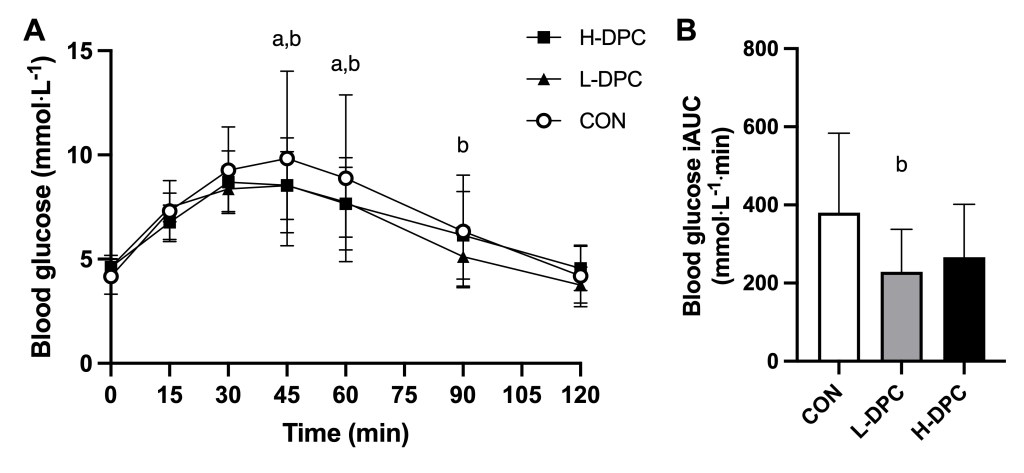
Blood samples were collected over two hours to assess glucose, insulin and several hormones involved in blood glucose regulation.
What did we find?
The results were encouraging. At 45 minutes after consuming the drink, blood glucose concentrations were approximately 1.3 mmol/L lower when participants consumed either dose of dulse protein concentrate compared with the carbohydrate-only drink. When we examined the overall glucose response across the two-hour period, the lower dose of dulse protein concentrate produced a statistically significant reduction compared with the control condition.
Interestingly, the higher dose did not produce a statistically significant reduction in the overall glucose response, despite the lower glucose concentrations observed at the 45-minute time point. This highlights the importance of examining the full metabolic response rather than relying on a single measurement.
We also observed changes in glucose-regulating hormones, including an increase in glucose-dependent insulinotropic polypeptide (GIP), a hormone released by the gut after eating. However, insulin and glucagon-like peptide-1 (GLP-1) responses did not differ significantly between conditions.
These findings suggest that dulse protein concentrate may influence the body’s response to carbohydrate consumption, although the precise mechanisms responsible remain to be established.
From laboratory innovation to human application
Translating an innovative food ingredient into a potential human application requires more than demonstrating an effect in a laboratory model. Ingredients must be developed, characterised and tested in people before their physiological effects can be properly understood. This project involved significant technical challenges along that journey, making the completion of the human study an important step forward.
Particular recognition is due to Dr George Pavis, whose outstanding effort and commitment helped sustain the project long after his time at the PESS department had ended. The work also benefited from collaboration with Michael O’Neill at Allihies and Aine Hallihan at Carbery Food Ingredients Ltd., highlighting the value of collaboration between academic researchers and industry in advancing food innovation.
What comes next?
These findings provide an early indication that dulse protein concentrate could have potential as a sustainable food ingredient with physiological benefits beyond its nutritional protein content. However, the study involved only six healthy adults, so the results must be interpreted cautiously. Larger studies are needed to confirm the findings, establish effective doses, investigate the underlying mechanisms and determine whether similar effects occur in people with impaired glucose regulation or type 2 diabetes. We have done some pilot work in this regard, and early results indicate the effect is even more pronounced in Type 2 Diabetics.
For sports science, nutrition and metabolic health research, the broader question is an important one: can we develop sustainable food ingredients that not only provide nutrients but also influence how the body processes them? Dulse protein concentrate is one promising avenue to investigate. While there is still considerable work to do before any practical recommendations can be made, this research represents a useful step in translating marine-derived food innovation into human physiological research.
Prof Brian Carson is a Professor of Exercise Physiology in the Department of Physical Education and Sport Sciences, University of Limerick.
Contact: Brian.Carson@ul.ie. Follow on twitter: @DrBPCarson. Research Profiles: ORCID https://orcid.org/0000-0001-8350-1481

Discover more from PESS News & Information
Subscribe to get the latest posts sent to your email.
